
The Aoi Matsuri is a traditional festival held annually on May 15th in Kyoto. With over a millennium of history, this festival is the annual festival of Kamigamo Shrine and Shimogamo Shrine and is renowned for its elegant procession reenacting the Heian aristocratic court. The sight of participants donning resplendent Heian-period garments as they parade through Kyoto’s streets is truly breathtaking. Through the Aoi Matsuri, you can immerse yourself in the history, culture, and graceful aesthetic of the ancient capital and its aristocratic past. Be sure to witness this quintessential early summer event that colors the city of Kyoto.
Aoi Matsuri (Aoi Festival)
An Early-Summer Tradition in Kyoto with Over 1,000 Years of History
Last updated:

Why Visit Aoi Matsuri (Aoi Festival)?
Highlights
-
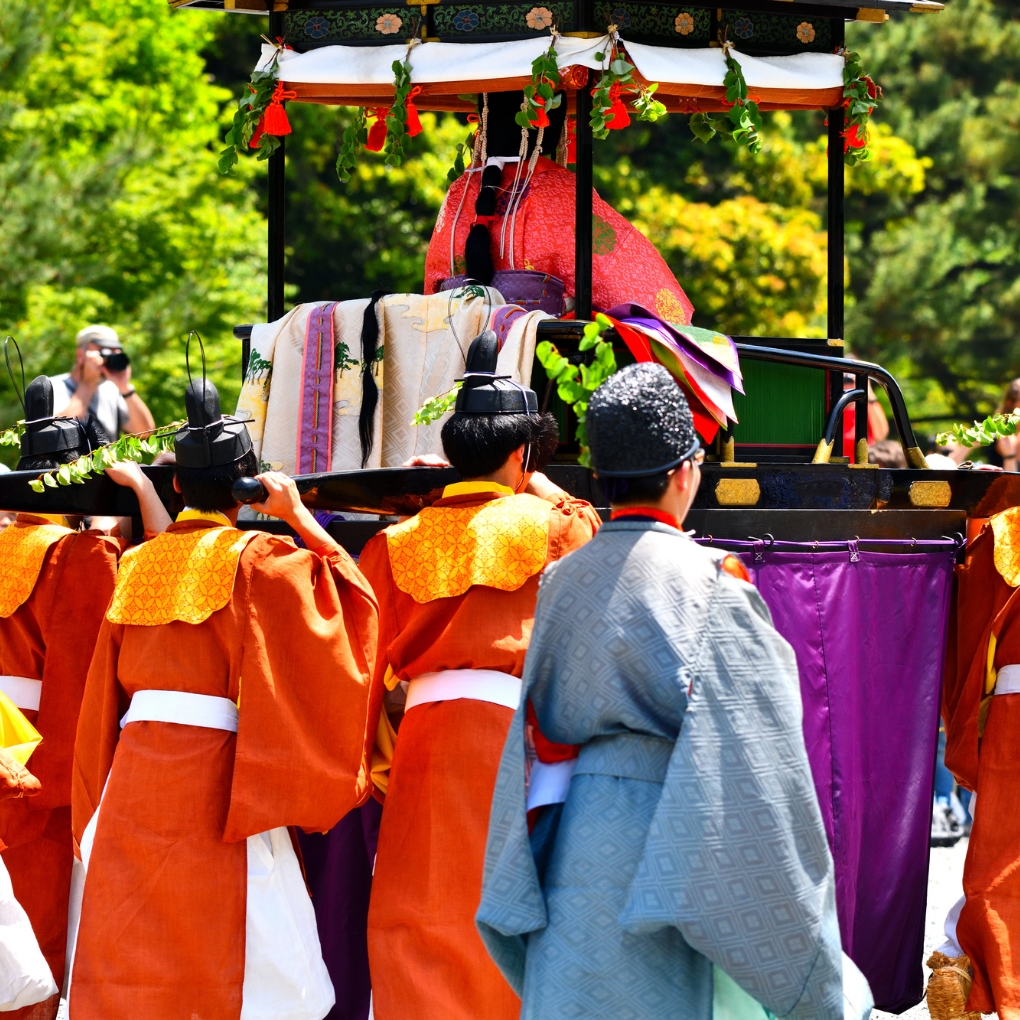
A Procession Reminiscent of Heian Picture Scrolls
The highlight of the Aoi Matsuri is undoubtedly the procession of participants adorned in Heian-period attire. About 500 people dressed as Heian-period courtiers parade through the streets, looking as if they have stepped out of an ancient picture scroll. Of particular note is the "Saio-dai," an unmarried woman from Kyoto chosen each year to play the leading role, whose appearance in a twelve-layered robe (junihitoe) is a must-see.
-
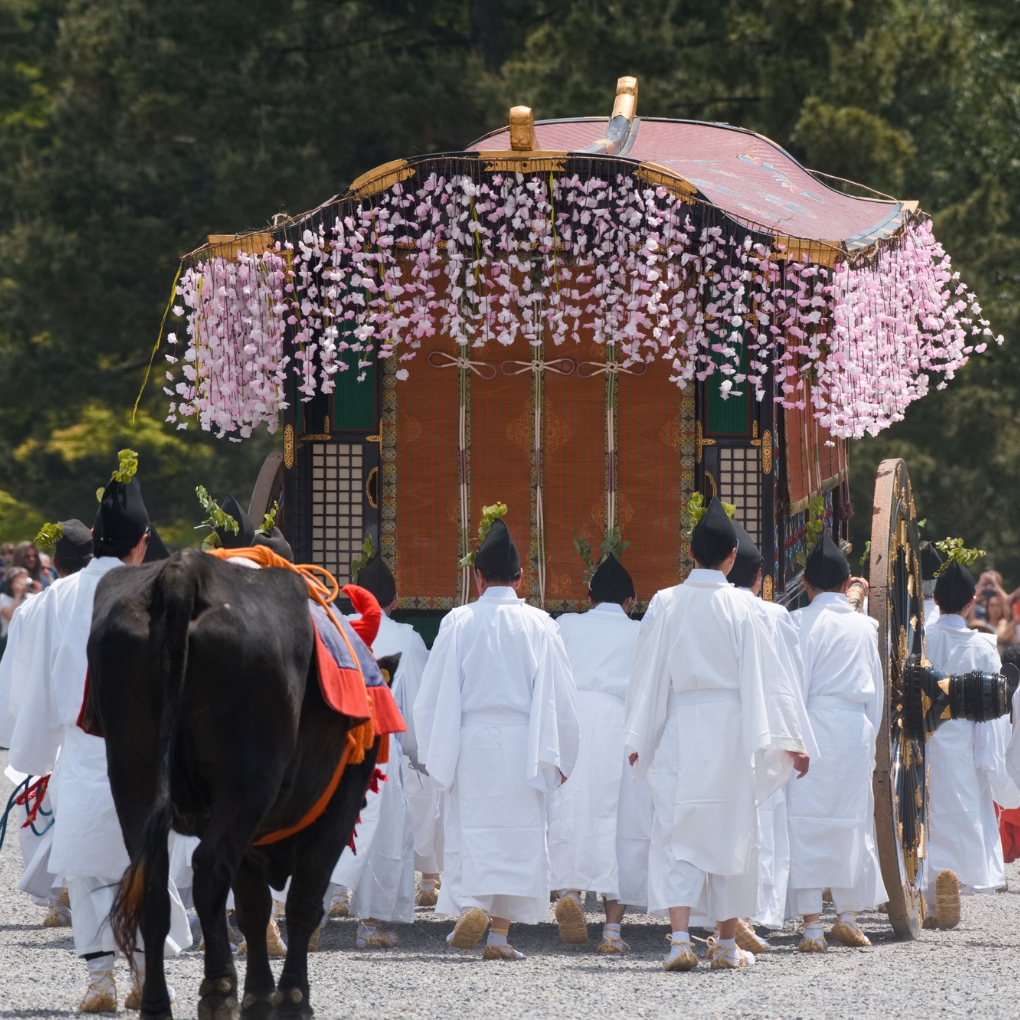
The Opulent Decorative Beauty of Oxcarts and Decorative Umbrellas
Catching the eye during the Aoi Matsuri procession are the lavishly decorated oxcarts and decorative umbrellas. The oxcarts, gilded and lacquered in vermilion, exude an air befitting the symbol of Heian nobility. The vibrant decorative umbrellas further evoke the graceful aesthetic of the Heian era. These exquisite pieces showcase the mastery of traditional artisans, providing a rare opportunity to appreciate their exceptional craftsmanship up close.
-
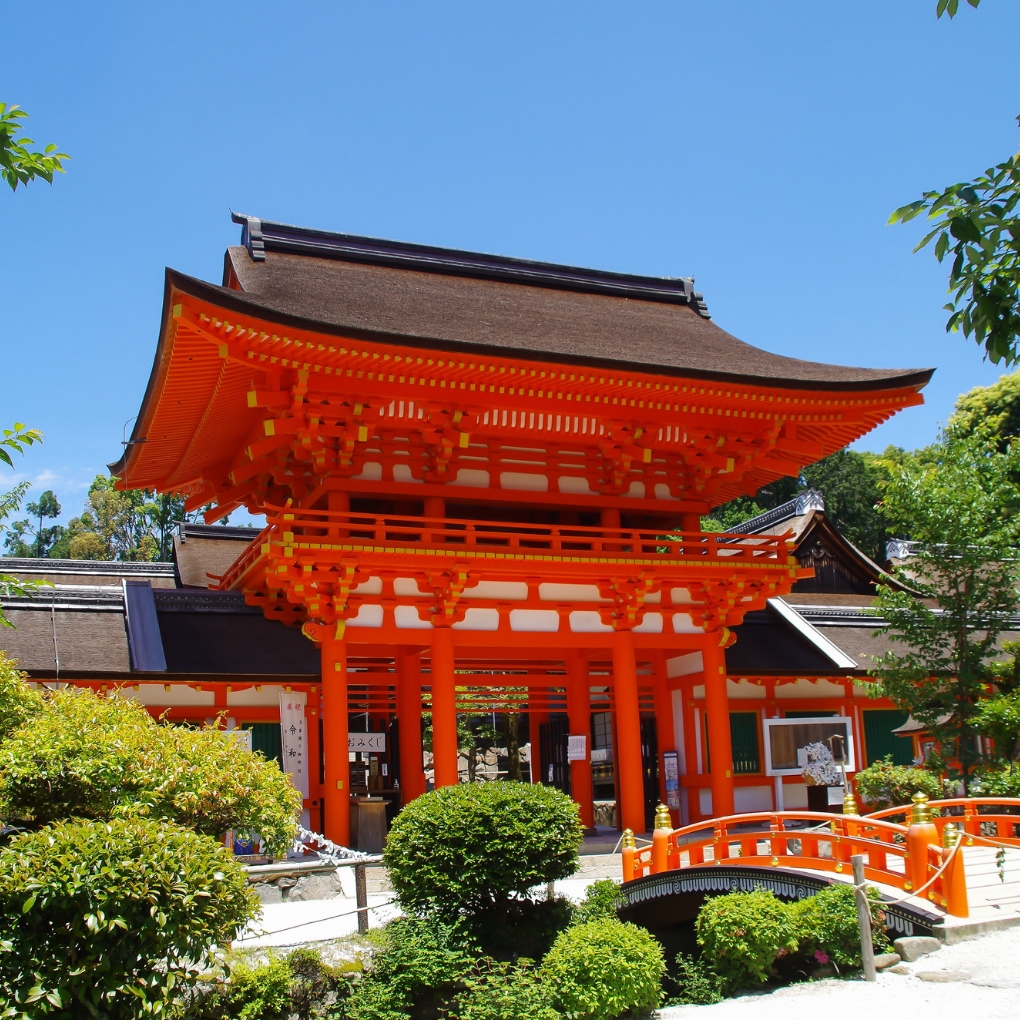
Connecting with the History of the Aoi Matsuri
At the heart of the Aoi Matsuri lies the Kamigamo Shrine, a UNESCO World Heritage site in Kyoto. The festival's origins can be traced back to the annual rite of this shrine, and sacred rituals continue to be held there to this day. On the festival day, the shrine's verdant precincts are enveloped in a solemn atmosphere. By visiting the venerable Kamigamo Shrine, you can gain a deeper appreciation for the history and significance of the Aoi Matsuri.
Information
| Name in Japanese | 葵祭 |
| Schedule | May 15 |
| Official Website | Official Website |
Frequently Asked Questions
What should I wear and bring to the Aoi Matsuri?
Although the Aoi Matsuri takes place in May, the early summer warmth may be felt. Wear comfortable shoes and bring a hat or parasol for sun protection. A camera is a must-have item to capture the elegant Heian-inspired procession. While there is no dress code, donning traditional Japanese attire can enhance your experience of the ancient capital’s ambiance.
Where are the best viewing spots for the Aoi Matsuri? Any insider tips?
The procession begins at the Kyoto Imperial Palace and makes its way to the Kamigamo Shrine. Popular viewing areas include the Kyoto Gyoen grounds and the approach to Kamigamo Shrine, but these spots can get extremely crowded. An insider tip is to view the latter part of the procession along Kitaoji Street, where you can observe at a more leisurely pace with fewer crowds.
Can you briefly explain the origins and history of the Aoi Matsuri?
The Aoi Matsuri dates back about 1,400 years, to the 6th century, when a ritual was held to calm the Kamo deities after storms and poor harvests. In the Heian period it became an imperial festival, so important that the word “festival” at court meant this one. After long interruptions, it was revived in the Edo period and again in 1884, and the Saio-dai role was added in 1956. The name comes from the aoi (hollyhock) leaves that decorate the participants, oxcarts and shrine buildings.