This plan covers Kyoto’s ten essential sights in three full days, grouped by area so you spend your time in temples rather than on buses. Each day starts early, before the tour groups arrive, and finishes before the temples close in the late afternoon. Entry fees and fares are listed for every stop, all checked in September 2026.
Fushimi Inari Taisha
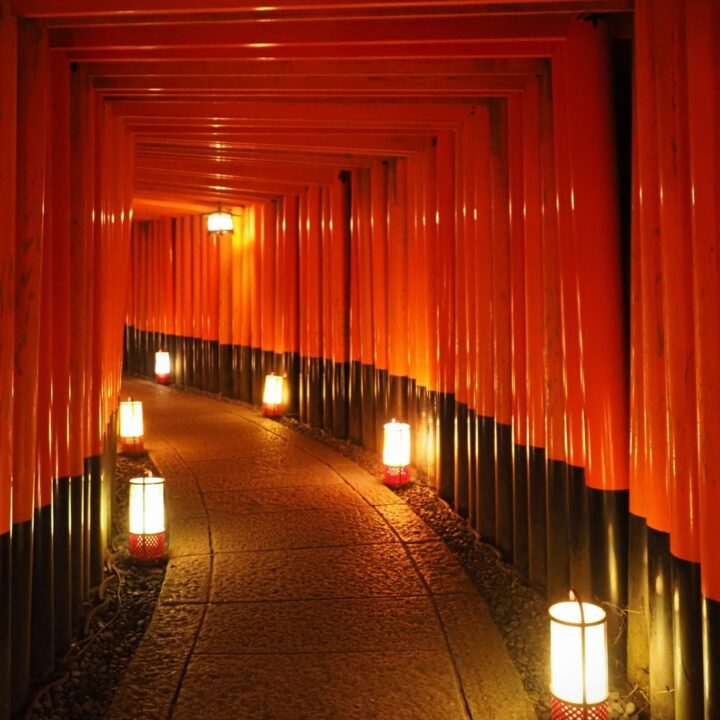
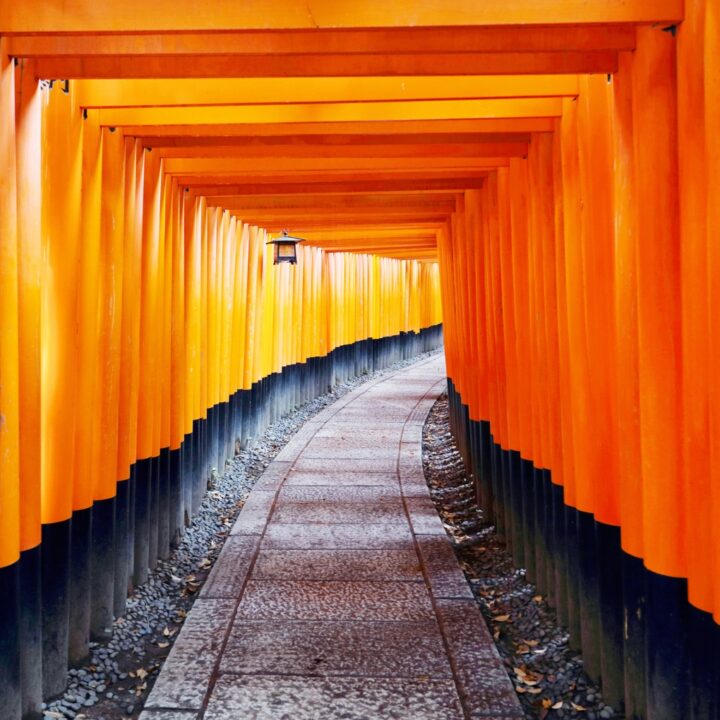
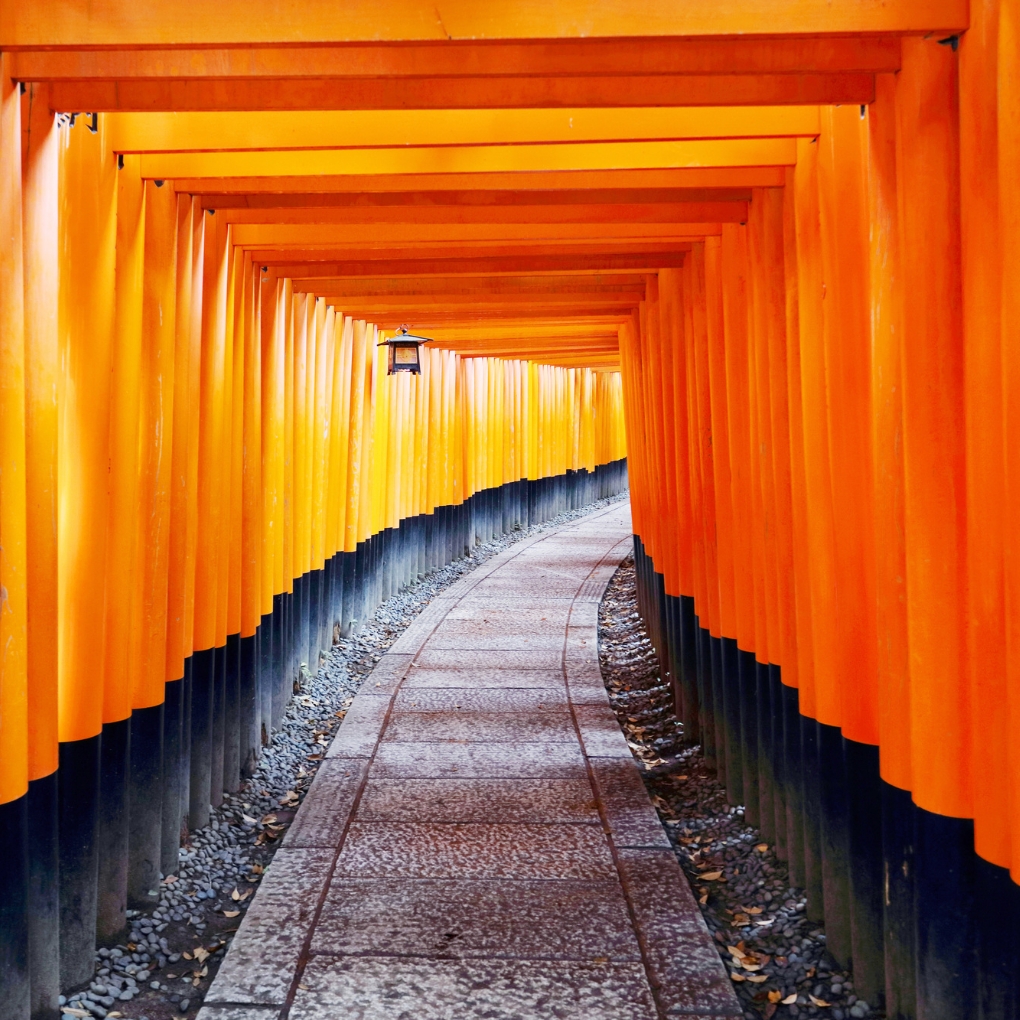
Take the JR Nara Line from Kyoto Station to Inari (5 minutes), which stops right outside the gate. Walk up through the tunnels of torii to the Yotsutsuji crossroads for a view over the city, then come back down. Allow 2 to 2½ hours.
Keihan train from Fushimi-Inari to Kiyomizu-Gojo (¥240), then a 20-minute uphill walk, or a taxi.
Kiyomizu-dera
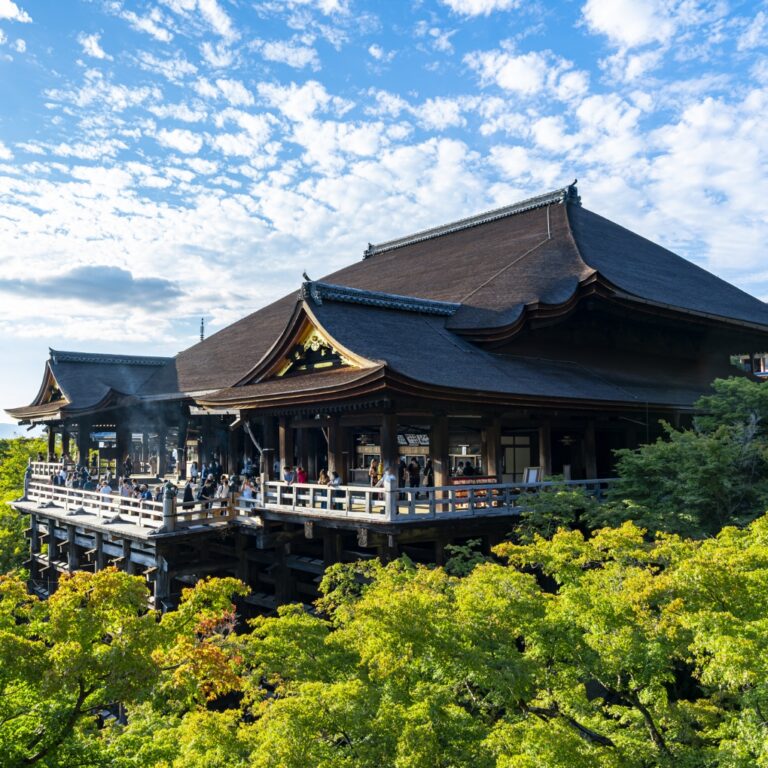
The wooden stage hangs over the hillside with Kyoto spread out below. Walk down past the Otowa waterfall and around to the pagoda for the classic photo back towards the main hall.
Sannenzaka and Ninenzaka
Stone-paved lanes of tea houses, pottery shops and snack stalls. Have lunch here: yudofu (simmered tofu) and soba are local favorites.
Kodai-ji
A quieter Zen temple with a raked-gravel garden, covered corridors and a small bamboo grove, built by the widow of the warlord Toyotomi Hideyoshi. Last entry is at 17:00.
Yasaka Shrine and Maruyama Park
Walk down through Maruyama Park to Yasaka Shrine, the guardian shrine of Gion, and out through its vermilion west gate onto Shijo Street.
Gion: Hanamikoji and Shirakawa
Wander the wooden teahouse streets as the lanterns come on, then cross to the willow-lined Shirakawa canal. Do not photograph geiko or maiko without permission, and keep out of the private alleys marked with no-entry signs.
Dinner in Pontocho
A narrow lantern-lit alley by the Kamo River, packed with restaurants. From May to September many open riverside platforms called kawayuka.
If it rains: The torii gates at Fushimi Inari give some shelter, so go anyway and skip the summit. Spend longer in Kodai-ji’s covered corridors, and have an early dinner.
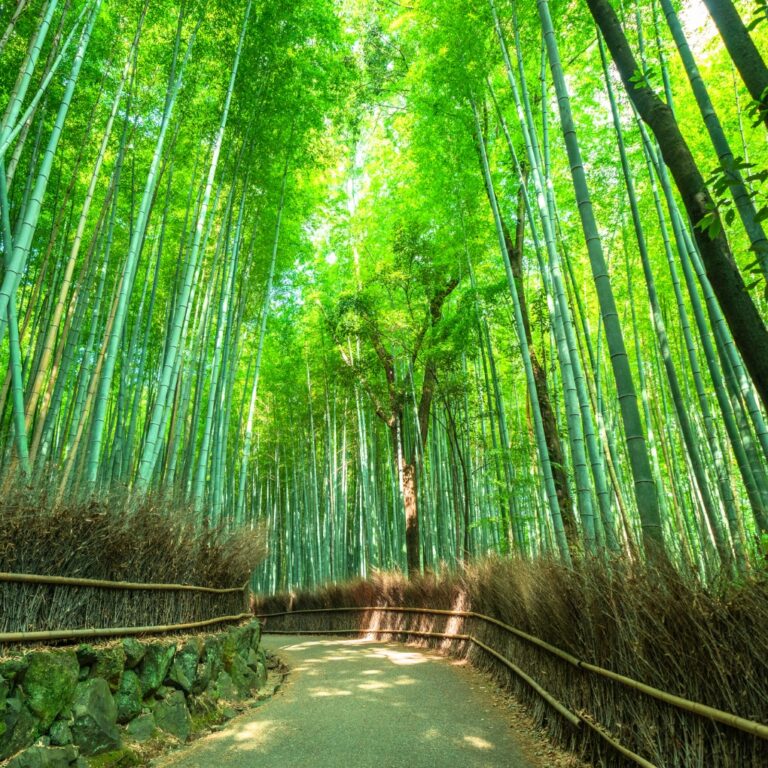
JR Sagano Line from Kyoto Station to Saga-Arashiyama, about 15 to 17 minutes (¥240).
Arashiyama bamboo grove
The path through the bamboo is at its best before 9 am. By mid-morning it is usually much busier.
Tenryu-ji
A World Heritage Zen temple whose 14th-century pond garden borrows the mountains behind it as scenery. The north gate opens straight onto the bamboo grove. Entering the halls costs ¥300 more.
Okochi Sanso
The hillside villa and garden of a 20th-century film star, at the top of the bamboo path. Entry includes matcha tea and a sweet, with views across to the city.
Togetsukyo Bridge and lunch
The long wooden bridge over the Katsura River, with forested mountains behind. Plenty of lunch options on the main street.
Randen tram from Arashiyama to Ryoanji station, changing at Katabiranotsuji (about 25 minutes, ¥250 flat fare), then a 10-minute walk.
Ryoan-ji
Fifteen stones on raked white gravel: Japan’s most famous rock garden. From any seat, at least one stone is always hidden. Walk round the pond afterwards.
Kinkaku-ji
A 20-minute walk from Ryoan-ji. The gold-leaf pavilion reflected in its pond is the most photographed view in Kyoto. It closes at 5 pm, so don’t linger over lunch.
City bus back to Shijo-Kawaramachi, about 40 minutes (¥230). Board at the back and pay as you leave.
If it rains: Skip Arashiyama and start at Sanjusangendo (¥600), a hall of 1,001 golden statues near Kyoto Station, then head to Ryoan-ji and Kinkaku-ji. Both look superb in mist.
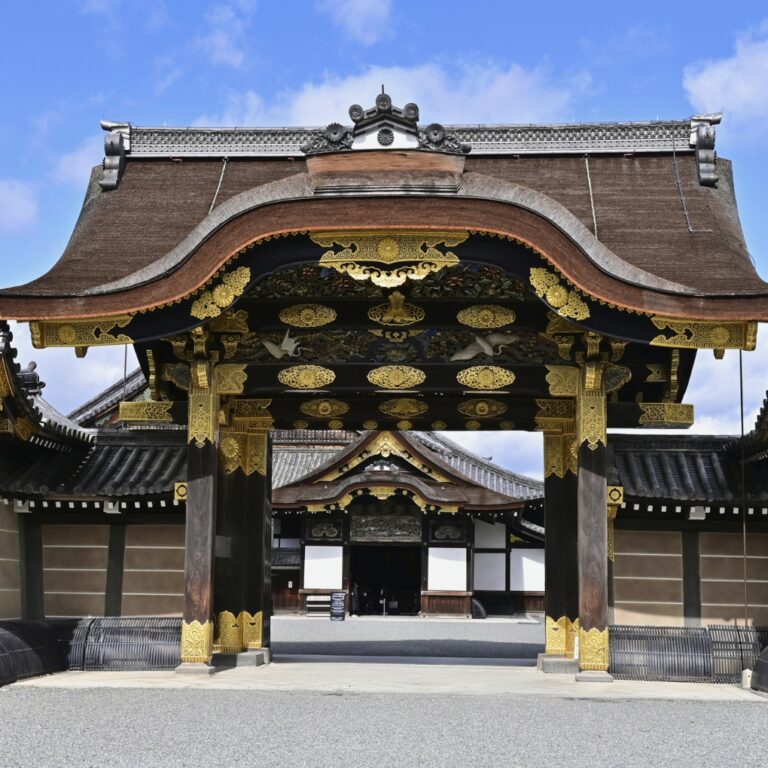
Nijo Castle
Take the Tozai subway line to Nijojo-mae. Inside the Ninomaru Palace, the “nightingale floors” squeak to warn of intruders, and painted tigers fill the walls. Be there at opening, before the groups.
Nishiki Market
Five blocks of food stalls selling pickles, tamagoyaki, grilled seafood and matcha sweets. Graze your way to lunch, but eat at the stall where you buy: the market asks visitors not to eat while walking.
Tozai subway line from Kyoto Shiyakusho-mae to Keage, under 10 minutes.
Keage Incline and Nanzen-ji
Walk the old railway incline, then enter Nanzen-ji. Climb the huge Sanmon gate for the view, and find the red-brick aqueduct behind the main hall.
The Philosopher’s Path
A 2 km stone path along a cherry-lined canal, named for a philosopher who walked it daily. Allow 40 minutes, with stops at the small temples and cafés along the way.
Ginkaku-ji
The “Silver Pavilion” was never covered in silver, but its sculpted sand cone and moss garden are some of Kyoto’s finest. The entry fee doubled from ¥500 to ¥1,000 in April 2026, and from December the garden closes at 16:30.
City bus back downtown (¥230). For a last evening, walk along the Kamo River or ride up Kyoto Tower for the night view.
If it rains: Nijo Castle’s palace is indoors. Replace the Philosopher’s Path with the Heian Shrine garden (¥600) and the museums in Okazaki, a few minutes’ walk from Keage.
Tips for doing this itinerary
Arriving from the airport? Read Kansai Airport to Kyoto: every option compared first. Got more time? How many days you need in Kyoto suggests what to add on days four and five.
FAQ
Is 3 days enough for Kyoto?
Yes, for a first visit. Three full days covers Fushimi Inari, Kiyomizu-dera, Gion, Arashiyama, Kinkaku-ji, Nijo Castle and the Philosopher’s Path at a comfortable pace. Add a fourth day for Nara.
How much does this 3-day Kyoto itinerary cost?
About ¥8,600 per adult in entry fees and local transport across the three days, not counting food, accommodation or your rides to and from your hotel.
Can I do this itinerary with kids?
Yes. Swap Okochi Sanso for Monkey Park Iwatayama on day two, and use taxis for the hilly stretch to Kiyomizu-dera on day one. Children usually pay reduced or free entry at temples.
In what order should I do the days?
Any order works, but check the weather: do Arashiyama on your clearest day. If you are staying near Kyoto Station, day one is the easiest start.
Entry fees, hours and fares were checked in September and October 2026 against official temple sites, the Kyoto City Transportation Bureau and fare-search sites. The entry fees for Kiyomizu-dera, Ryoan-ji and the Nanzen-ji Sanmon gate come from recent travel guides rather than the temples’ own sites, so check before you go. Hours change seasonally, so check before you go.