Carry some cash, but not much. Japan is now mostly cashless: the Ministry of Economy, Trade and Industry reported that cashless payments made up 58.0% of consumer spending in 2025. In Kyoto, though, temple ticket offices, small shops and some taxis can still be cash-only, and city buses and the subway do not take credit cards.
Withdraw yen at a 7-Eleven ATM (up to ¥100,000 per transaction) and use the planner below to add up your temple fees. We suggest a ¥3,000-a-day cushion on top, which is our own planning figure, not an official statistic.
Plan your cash
Tick the sights you expect to enter, set the length of your stay and choose a daily cushion for small purchases. The fees are the adult prices we found on 5 October 2026. The planner assumes you pay in cash, although Ginkaku-ji says it accepts cards through Omairi Pay since 25 July 2026.
The planner needs JavaScript. Without it, add up the fees listed in the table in the next section.
1 day10 days
Entry fees you expect to pay in cash
¥9,000
- Entry fees¥0
- Cushion¥9,000
What visitors actually spend
National figures give a sense of scale. They do not split cash from card, and shopping is a big part of the total.
- ¥228,809 per trip (2025, nationwide, preliminary)Japan Tourism Agency survey of foreign visitors, with an average stay of 9.5 nights. Accommodation was ¥84,153, shopping ¥61,014, food ¥50,279, transport ¥22,974 and entertainment ¥10,251.
- About ¥15,000 per night without accommodationOur own sum from the figures above: ¥144,656 per trip excluding accommodation, divided by 9.5 nights. It is a nationwide average that includes shopping, not a Kyoto cash budget.
Where to withdraw cash
| ATM | Limit per withdrawal | Hours and notes |
|---|---|---|
| Seven Bank (7-Eleven) | ¥100,000 (¥30,000 for magnetic-stripe cards) | 24 hours for most cards; UnionPay, JCB and Discover 00:10–23:50, Amex 00:05–23:50, Diners 00:05–23:55. English is among its languages. A fee applies; the pages we checked did not give the amount. |
| Japan Post Bank | ¥50,000 | A ¥220 fee per use may apply, plus any fee from your card issuer. Post office ATMs 7:00–23:00 Mon–Sat, 7:00–21:00 Sunday and holidays. Amex is not listed. No balance inquiry. |
| Aeon Bank | Not verified | Says more than 6,500 ATMs accept overseas-issued cards. |
If an ATM offers to convert the amount into your home currency, compare your bank’s rate before you accept. Some cards bearing the right logo still fail, so carry a second card.
IC cards: buses, subway and shops
Kyoto City Bus and the subway accept ten IC cards, including ICOCA, Suica, PASMO and PiTaPa (updated 18 June 2026). An IC card also pays at convenience stores and many shops that show the mark. For fares and passes, see Kyoto bus and subway passes.
| Card | What to know |
|---|---|
| Welcome Suica Mobile (iPhone, Apple Watch) | Launched 6 March 2025. No deposit, valid 180 days from issue, balance non-refundable. Top up with an Apple Pay card or with cash at station machines. iOS only: JR East says Samsung Galaxy phones sold from 2027 will support issuance, so Android is not available yet. |
| ICOCA (plastic card) | ¥500 refundable deposit. Cash top-ups up to ¥20,000; credit-card top-ups are not possible. The deposit comes back and the balance is refunded minus ¥220. Sold at JR West ticket machines and offices (some excluded) and at Kyoto subway ticket machines. |
| ICOCA & HARUKA bundle | Includes an ICOCA with ¥2,000 (¥500 of it the deposit). See Kansai Airport to Kyoto. |
| Original-design ICOCA | ¥2,000 (¥500 deposit) at Kansai Airport Station, only to foreign nationals with Temporary Visitor status, one per person. JR West’s page has no date and supply may be limited, so check it before you fly. |
JR East’s page (March 2025) listed physical Welcome Suica sales in the Tokyo area only. We could not verify whether regular physical Suica is sold to visitors in 2026.
Where cash still matters in Kyoto
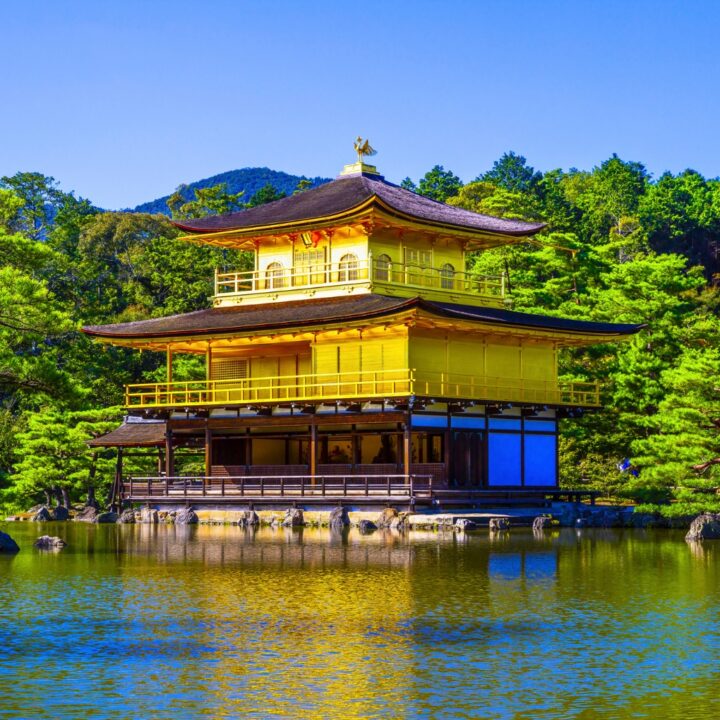
- Temple ticketsFees are small, and most temples’ pages did not state their payment methods. Kinkaku-ji costs ¥500, Nanzen-ji costs ¥600 for the Hojo garden, ¥600 for the Sanmon gate and ¥500 for Nanzen-in. Ginkaku-ji’s page says cards are accepted through Omairi Pay since 25 July 2026, and Kinkaku-ji is listed as planning to follow.
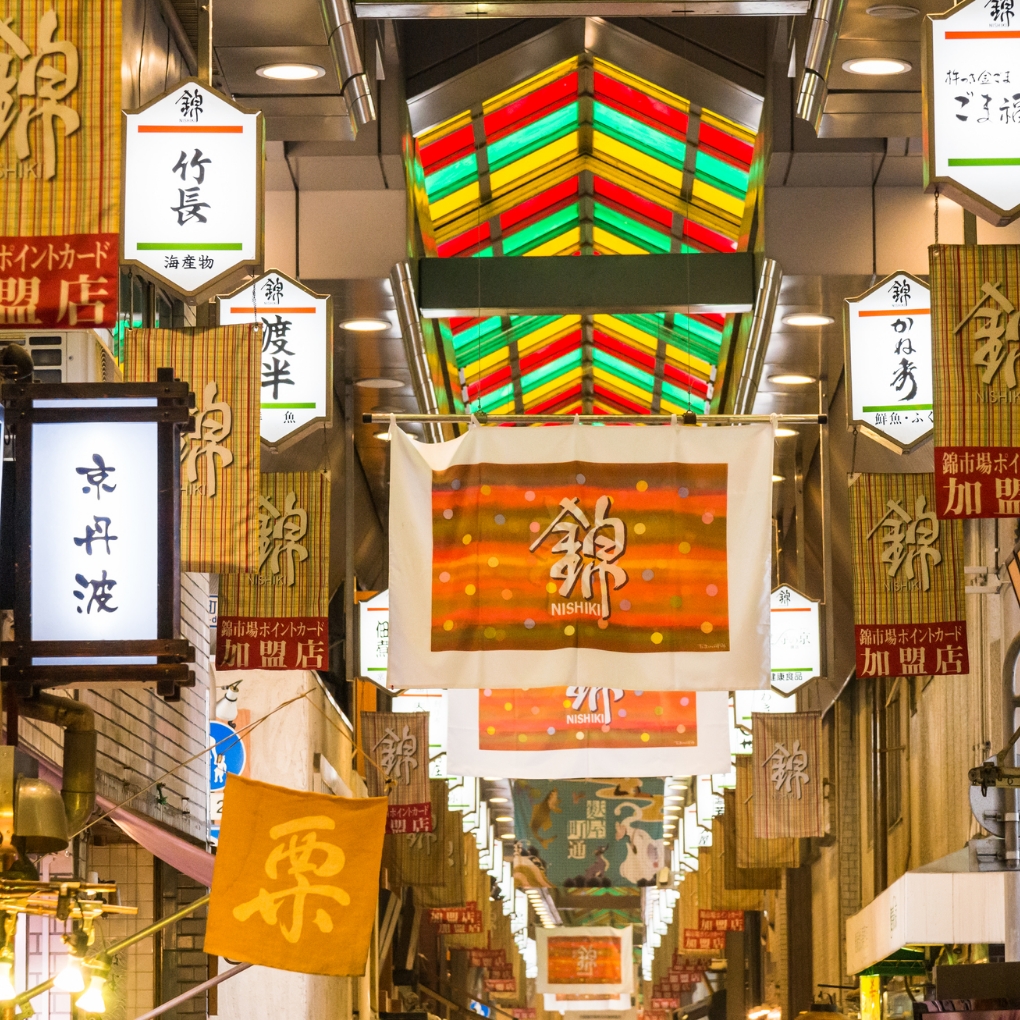
- Nishiki Market stallsThe market’s website has no payment policy. A travel site says payment varies by shop and many long-established small shops take cash only, so carry some.
- TaxisKyoto’s tourism site says some taxis do not accept credit cards and suggests Foreign Friendly taxis or dispatch apps.
- City busesCredit and debit cards are not accepted; use an IC card or coins.
FAQ
Can I pay by credit card at Kyoto temples?
It depends on the temple. Ginkaku-ji’s page says it has accepted cards through Omairi Pay since 25 July 2026 (Visa, Mastercard, JCB, Amex and Diners), and Kinkaku-ji is listed as planning to adopt it. The other pages we checked did not state their payment methods, so carry cash for entry fees and treat a card as a bonus.
Can I use a credit card on Kyoto buses and the subway?
Not as far as we could verify. Kyoto City’s English guide says credit, debit and cash cards cannot be used. The city is introducing card tap payment in stages up to fiscal 2027, but we found no launch date. IC cards and cash work.
Which ATMs accept foreign cards in Kyoto?
Seven Bank ATMs in 7-Eleven stores and Japan Post Bank ATMs both list foreign-card services, and Aeon Bank says more than 6,500 of its ATMs accept overseas cards. Seven Bank allows ¥100,000 per transaction, and Japan Post Bank allows ¥50,000.
Does Welcome Suica work on Android?
Not yet. Welcome Suica Mobile launched in March 2025 for iPhone and Apple Watch only. JR East said in April 2026 that Samsung Galaxy phones sold from 2027 will support issuance, so Android visitors should use a physical IC card or cash for now.
How much cash should I carry in Kyoto?
Use the planner above for the entry fees you will pay, then add a cushion for market stalls, small restaurants and vending machines. We suggest ¥3,000 a day as a starting point, which is our own planning figure rather than an official statistic.
Can I get my IC card deposit back?
For ICOCA, yes: the ¥500 deposit comes back, and any remaining balance is refunded minus a ¥220 fee, according to JR West. Welcome Suica Mobile has no deposit and its balance is non-refundable.
Facts checked 5 October 2026 against METI, the Japan Tourism Agency, Kyoto City, Seven Bank, Japan Post Bank, JR East, JR West and the temples’ official sites. Payment acceptance changes quickly, so check at the ticket office. Our ¥3,000-a-day cushion is a planning suggestion, not a statistic.