Pay per ride unless you expect about five rides or more in a day. City buses cost a flat ¥230, and the subway costs ¥220 to ¥360 by distance. The ¥1,100 Subway & Bus 1-Day Pass pays for itself at about five bus rides, and the ¥800 Subway 1-Day Pass at four subway rides.
The old bus-only pass is gone and, as far as we could verify, no multi-day city pass is sold any more. Credit cards are not accepted on city buses or the subway, so bring an IC card or cash.
Pass or pay as you go? Try your day
Set the number of bus and subway rides you expect. The tool compares three ways to pay using the fares we checked on 5 October 2026.
The calculator needs JavaScript. Without it, use the break-even numbers in the table below.
- Pay per ride (IC card)¥0
- Subway 1-Day Pass + pay for buses¥0
- Subway & Bus 1-Day Pass¥0
The Subway 1-Day Pass (¥800) covers only the two subway lines, so the second row adds your bus rides at ¥230. The ¥1,100 pass is counted as covering every ride you enter, which is true for city buses and the subway but not for JR, Randen or most airport and expressway buses. Prices are for adults.
What each ticket covers
¥230
One city bus ride
Flat fare in the city zone; children ¥120. Pay with an IC card or cash. Credit and debit cards are not accepted.
¥220–¥360
One subway ride
Five fare bands by distance on both the Karasuma and Tozai lines. Children pay about half.
¥800
Subway 1-Day Pass
Children ¥400. Valid on the day you first use it at a gate (not for 24 hours), and you can buy it in advance. It does not cover buses, Kintetsu or the Keihan Otsu Line.
¥1,100
Subway & Bus 1-Day Pass
Children ¥550. Both subway lines, all Kyoto City Bus routes and selected Kyoto Bus, Keihan Bus and JR West Bus routes. Airport and expressway routes are excluded. Sold at the city’s information centres, subway stations, convenience stores and on city buses (subject to availability).
The Sightseeing Limited Express Bus (EX100 and EX101, ¥500) is a separate service that runs on weekends and holidays, and it also ran daily over the 2025–26 New Year holidays. The one-day pass is accepted on it. It started in June 2024; we could not confirm its autumn 2026 timetable, so check the Kyoto City Transportation Bureau.
What popular sightseeing trips cost
Kyoto’s tourism office recommends combining subway and bus for several famous sights. Here is what the official suggestions add up to.
| To reach | Suggested route | Fare |
|---|---|---|
| Kinkaku-ji | Karasuma Line to Kitaoji, then bus 204 or 205, then a short walk | About ¥260 + ¥230 = ¥490 |
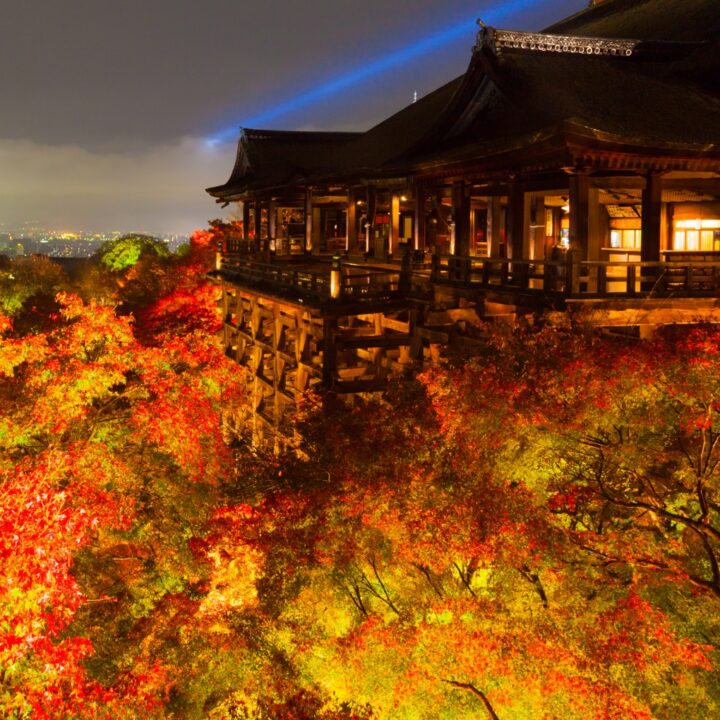
| Kiyomizu-dera | City bus to Gojozaka, or one subway stop to Kujo then bus 202 or 207 | ¥230 by bus alone |
| Ginkaku-ji | Karasuma Line to Imadegawa, then bus 203 (about 43 minutes in total) | Subway fare + ¥230 |
| Arashiyama | JR Sagano Line to Saga-Arashiyama (rapid), or subway to Uzumasa Tenjingawa then Randen | JR: not checked; subway + Randen ¥260 + ¥250 = ¥510 |
| Fushimi Inari | JR Nara Line to Inari (about 5–9 minutes, sources differ) | About ¥150 (secondary sources) |
Kyoto’s tourism office advises against the city bus (South 5) to Fushimi Inari and calls buses from Kyoto Station to Arashiyama crowded and slow. The Subway & Bus 1-Day Pass does not help for the JR legs.
Break-even numbers
| Ticket | Breaks even at |
|---|---|
| Subway 1-Day Pass (¥800) | 4 rides at ¥220–¥260 (3 rides if each costs ¥290 or more) |
| Subway & Bus 1-Day Pass (¥1,100) | 5 bus rides (¥1,150), or 3 subway-plus-bus legs of about ¥490 |
A normal temple day often has only three or four rides, which pay-per-ride covers more cheaply. The pass wins when you stack a bus-heavy day, such as Kiyomizu-dera, Gion and Ginkaku-ji in a row.
Other one-day tickets
Kyoto’s tourism site lists these tickets, with prices it dated to 2024–25. Check the operator’s page before you buy.
- Randen 1-Day Free Ticket · ¥700 (child ¥350)For the tram lines to Arashiyama and Kitano. A single ride is ¥250.
- Eizan “Ee Kippu” · ¥1,200 (child ¥600)For the Eizan line to Kurama and Kibune.
- Subway + Randen combination · ¥1,300Useful for the subway-and-tram route to Arashiyama described above.
We could not verify the 2026 price or sale status of Keihan’s Kyoto Sightseeing Pass or of the regional Kansai passes, so we leave them out. Check each operator’s current page.
Pay with an IC card
Kyoto City Bus and the subway accept ten IC cards, including ICOCA, Suica, PASMO and PiTaPa. ICOCA is sold at subway ticket machines. Credit and debit cards cannot be used, and the card tap system the city is building had no public launch date when we checked. For how to get an IC card as a visitor, see how much cash you need in Kyoto.
A higher fare for visitors is planned
Kyoto City proposed in 2026 (the Transportation Bureau’s page was updated in June) a two-tier fare for city buses: about ¥200 for residents and ¥350 to ¥400 for non-residents, with children at about half. Residents would be identified through an IC card linked to a My Number card, and the plan is targeted for fiscal 2027 (April 2027 to March 2028). The city still has to hold talks with the national government and bus operators, change its fare ordinance and apply for approval, so nothing has changed yet. The tourist-pass fares above stay the ones to plan with for this autumn and winter.
So which should you buy?
- One or two sights near each otherPay per ride with an IC card.
- A bus-heavy day with five or more ridesBuy the ¥1,100 Subway & Bus 1-Day Pass at an information centre or subway station.
- Mostly subway, four or more ridesThe ¥800 Subway 1-Day Pass is enough.
- Fushimi Inari, Arashiyama by JR or the airportCity passes do not cover JR. See Kansai Airport to Kyoto and whether the JR Pass is worth it.
To plan the whole trip, see our 3-day Kyoto itinerary.
FAQ
Is there a Kyoto bus pass for tourists?
We found no bus-only one-day pass on sale in 2026. The old Kyoto City Bus one-day pass (¥700) stopped selling on 30 September 2023. The Subway & Bus 1-Day Pass (¥1,100) is the one that covers city buses now.
Can I pay for the Kyoto bus with a credit card?
Not as far as we could verify. Kyoto City’s English guide says credit, debit and cash cards cannot be used, and the city plans card tap payment in stages up to fiscal 2027 without a public launch date. Use an IC card such as ICOCA or Suica, or cash.
How many rides make the ¥1,100 Subway & Bus pass worth it?
Five bus rides at ¥230 cost ¥1,150, so five rides pays it off. A day of three subway-plus-bus legs of about ¥490 each also beats it.
Does the pass cover Fushimi Inari or Arashiyama?
Not by JR. Fushimi Inari is reached by the JR Nara Line, and the JR Sagano Line goes to Arashiyama; neither is covered by the city’s passes. The subway plus Randen route to Arashiyama is partly outside them too, because Randen is a separate railway.
Is a higher bus fare for tourists coming?
Kyoto City has proposed a two-tier bus fare, targeted for fiscal 2027 (April 2027 to March 2028), with about ¥200 for residents and ¥350 to ¥400 for non-residents. It still needs a national fare approval and city council ordinance changes, so it is a plan, not a rule.
Are children cheaper?
Yes. The bus fare is ¥120 for ages 6 to under 12 (children still in elementary school keep the child fare), and the Subway & Bus 1-Day Pass is ¥550 for children.
Prices checked 5 October 2026 against the Kyoto City Transportation Bureau, Kyoto City’s English transport guide and the Kyoto City Official Travel Guide. The Kinkaku-ji, Ginkaku-ji and Fushimi Inari route details, the JR fare and the Randen, Eizan and combination tickets come from the tourism site’s listings and may have changed.