Subway, trains and buses at your door, Nishiki Market and Pontocho on foot, and Gion a 10-minute walk across the river.
Two nights or less, early trains, big suitcases, or Nara and Osaka on the plan. HARUKA and the airport bus stop here.
Kyoto is compact, but its sights are spread out in a ring around the center, and buses are slow when it is busy. That makes where you sleep more important than in most cities: the right base saves an hour a day. Below are the six areas worth considering, rated on what actually matters, plus the accommodation tax that changed in March 2026.
The six areas at a glance
Schematic, not to scale. Arashiyama is about 15 to 25 minutes west of the center by train; everything else is a short ride from Downtown.
Find the right area for you
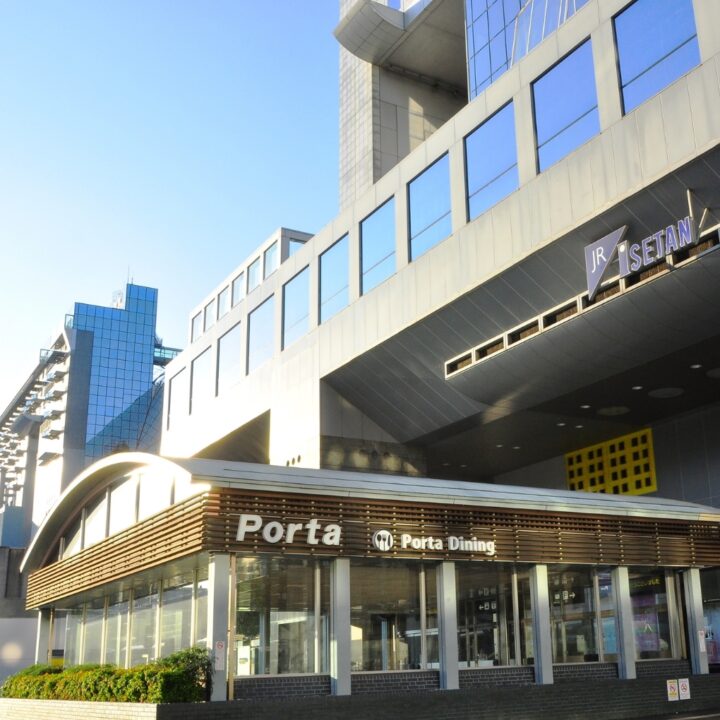
Kyoto Station
Hotels around the station and Kyoto Tower
Why stay: Every JR line, the subway, HARUKA from the airport and the main bus terminal. Ideal for day trips to Nara, Osaka or Himeji, and the widest choice of mid-range chain hotels.
Watch out: It feels like any big-city station, and the buses from here to eastern Kyoto can be very crowded. Don’t miss Kyoto Tower or the station’s rooftop.
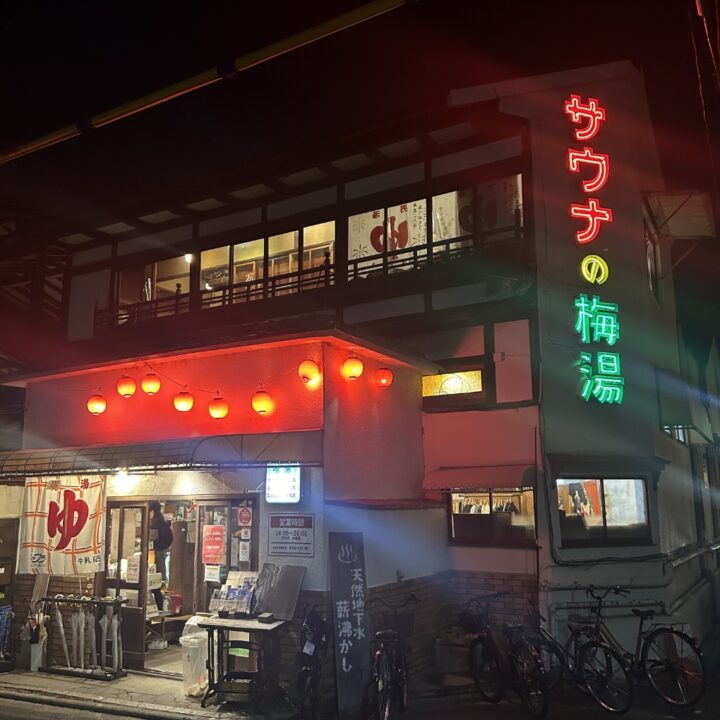
Downtown (Shijo, Karasuma, Kawaramachi)
Between Karasuma Street and the Kamo River
Why stay: The best all-round base. The Karasuma subway line and Hankyu trains meet at Shijo-Karasuma, Keihan trains are just across the river, and Nishiki Market, Pontocho and hundreds of restaurants are a short walk away.
Watch out: Busy and commercial by day. Rooms near Kawaramachi can be noisy at night; ask for a high floor.
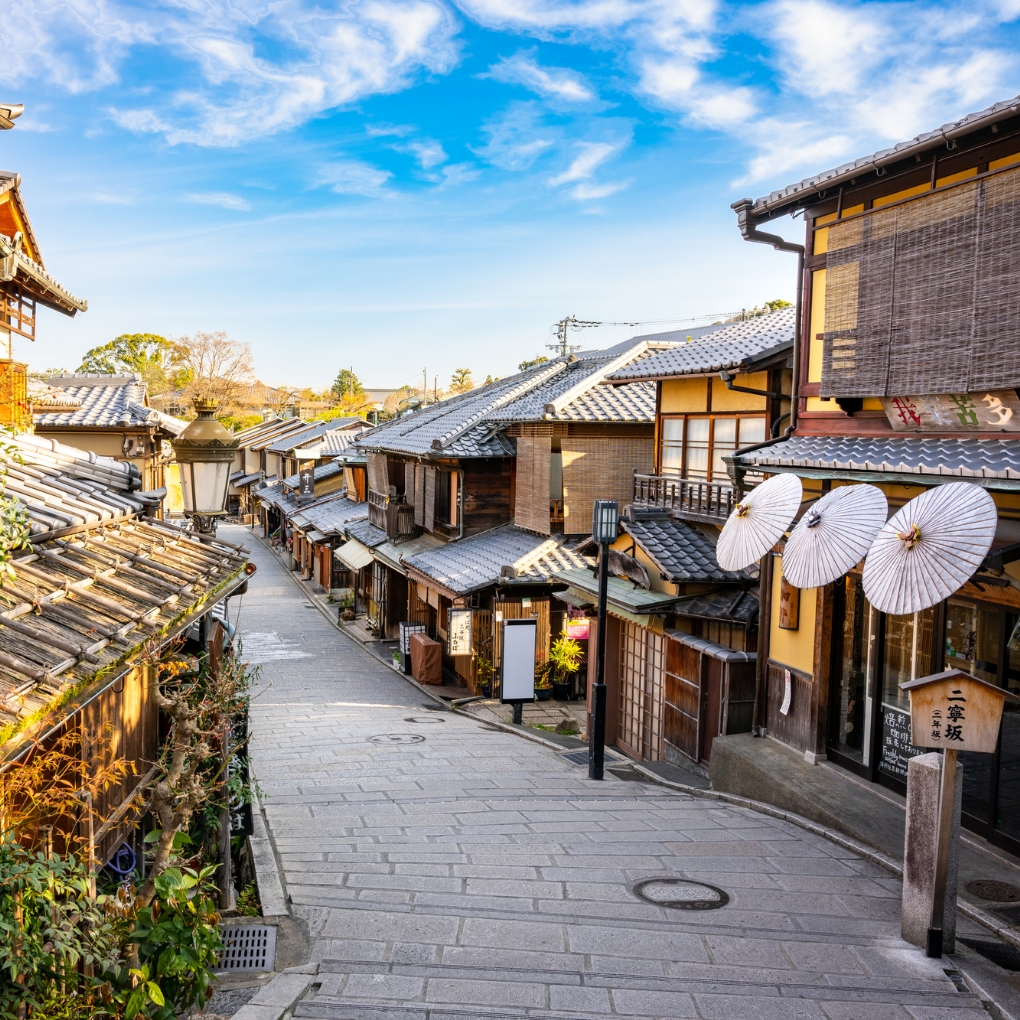
Gion & Higashiyama
Around Yasaka Shrine, Kiyomizu-dera and the old lanes
Why stay: Wake up next to the Kyoto of postcards. Walk to Kiyomizu-dera at 6 am, have Sannenzaka almost to yourself, and stroll Hanamikoji after dark. The best area for a ryokan or a traditional townhouse.
Watch out: The most expensive area, with hilly, stepped lanes that are hard work with suitcases. Some private lanes in Gion are signed as closed to visitors (the local association put up signs in 2024); follow the signs.
Nijo Castle & Karasuma Oike
Quiet streets west and north of downtown
Why stay: Residential and calm, with both subway lines meeting at Karasuma Oike. Close to Nijo Castle and the Imperial Palace park, and good for apartment-style rooms and machiya rentals with space for families.
Watch out: Quieter in the evening, with fewer late-night options. Check that your place is near a subway station, not just “near Nijo”.
Arashiyama
Riverside ryokan on Kyoto’s western edge
Why stay: Once the day-trippers leave, Togetsukyo Bridge and the bamboo grove go quiet. Some ryokan here have hot-spring baths. Perfect for one special night.
Watch out: 15 to 25 minutes by train from the center, and many restaurants close early in the evening. Better as a one-night splurge than as your base.
Okazaki & Nanzen-ji
Museums, Heian Shrine and the Philosopher’s Path
Why stay: Green, spacious and calm, with Heian Shrine, Nanzen-ji and the art museums on the doorstep. The Tozai subway line gets you downtown in a short ride.
Watch out: A small choice of hotels and few restaurants open late. Best for repeat visitors and families who like parks.
Hotel, ryokan or machiya?
Kyoto’s accommodation tax (from March 2026)
Every hotel, ryokan and rental in Kyoto adds an accommodation tax per person, per night. It rose on 1 March 2026 and is based on the room rate per person, excluding meals and consumption tax. For a shared room, Kyoto City divides the room charge by the number of guests. You pay it to your accommodation, and it may be listed separately from the room rate.
| Room rate per person, per night | Tax |
|---|---|
| Under ¥6,000 | ¥200 |
| ¥6,000 – ¥19,999 | ¥400 |
| ¥20,000 – ¥49,999 | ¥1,000 |
| ¥50,000 – ¥99,999 | ¥4,000 |
| ¥100,000 and over | ¥10,000 |
Not sure how many nights to book? Read how many days you need in Kyoto, then use our 3-day itinerary, which works from any of the areas above.
FAQ
What is the best area to stay in Kyoto for first-time visitors?
Downtown, between Shijo-Karasuma and Kawaramachi. It has the best transport links, the most restaurants, and Gion is a short walk away. Kyoto Station is the best alternative if you are only staying one or two nights.
Is it better to stay near Kyoto Station or in Gion?
Kyoto Station is better for convenience and day trips; Gion is better for atmosphere and early-morning walks. Many visitors split their stay: a few nights downtown or at the station, and one night in a ryokan in Gion or Arashiyama.
Should I stay in Kyoto or Osaka?
If Kyoto is where you plan to spend your days, stay in Kyoto. Staying in Osaka saves money but adds an hour or more of travel a day and means missing Kyoto’s quiet early mornings and evenings.
How much is the Kyoto accommodation tax?
From 1 March 2026 it is ¥200 to ¥10,000 per person per night, depending on the room rate. Most mid-range stays fall in the ¥400 or ¥1,000 bands.
Updated October 2026. Tax rates from the City of Kyoto. Area ratings are our own and reflect a typical first-time visitor.