In short: the souvenirs Kyoto people actually use every day are sitting on supermarket and drugstore shelves: pickles, dashi, tea, seasonings and skincare. You don’t need a special shop, just a list and a way to read the labels.
Tax-free shopping changed on 1 November 2026. You now pay the full price, tax included, at the till. The tax is refunded only after customs checks your goods when you leave Japan, within 90 days of purchase. You still need to spend ¥5,000 or more before tax at one store in one day. Food or cosmetics you use up in Japan don’t qualify.
Use the calculator below to see whether one shop’s receipt reaches ¥5,000 before tax.
Kyoto’s big souvenir streets sell beautifully boxed sweets. But a lot of what makes Kyoto home cooking taste like Kyoto is sold in ordinary supermarkets, next to the milk and the rice. This guide covers what to look for, how to pack it for the flight, and how the new tax-free refund works. We don’t rank shops or list prices, because these vary from store to store and week to week. For boxed gifts and where to buy them, see our Kyoto souvenirs guide.
At the supermarket: Kyoto’s everyday flavours
Kyoto pickles 漬物 tsukemono
Kyoto Prefecture lists senmaizuke, suguki and shibazuke as Kyoto’s “three great pickles”. Suguki is a turnip-family vegetable pickled in salt alone and fermented. Japan’s farm ministry says it’s harvested and pickled from about mid-November to January.
Dashi だし dashi
The stock behind miso soup and noodle broth. Supermarkets sell it as tea-bag style packs, granules and liquid concentrates. Dry packs are the easiest to fly home with.
Green tea お茶 ocha
Loose-leaf sencha, roasted hojicha, tea bags and matcha. Look for “宇治茶” (Uji-cha) on the label for Kyoto-style tea. Japan’s farm ministry describes Uji-cha as tea finished in Kyoto Prefecture, from leaves grown in Kyoto, Nara, Shiga or Mie.
Seasonings 調味料 chomiryo
Miso, soy sauce, shichimi spice and furikake rice toppings. Most are liquids or pastes, so read the packing notes below before you buy jars.
A few label words help. 原材料 (genzairyo) is the ingredients list, 賞味期限 (shomi kigen) is the best-before date and 要冷蔵 (yo reizo) means “keep refrigerated”. Skip anything marked yo reizo unless you’ll eat it in Japan. Fresh pickles often need the fridge, so look for shelf-stable packs if you want to take some home.
At the drugstore: what locals stock up on
Japanese drugstores sell much more than medicine. Expect aisles of skincare, sunscreen, cosmetics, bath salts, snacks and drinks. The everyday categories visitors tend to look for:
- Skincare and sunscreen. Labels name the product type in Japanese: 日焼け止め (hiyakedome) means sunscreen and 化粧水 (keshosui) means toner.
- Bath salts 入浴剤 nyuyokuzai. Single-use packets are light and pack flat.
- Everyday snacks and drinks. Many drugstores also have a food section, sometimes with pickles and tea.
- Medicines. Ask the pharmacist before you buy, and check your home country’s rules. Some ingredients sold over the counter in Japan are restricted elsewhere.
Not every supermarket or drugstore is a tax-free shop. Look for a “Tax-Free” sign or ask at the counter. You’ll need your passport at the till for any tax-free purchase. Some smaller shops only take cash, so our guide to how much cash you need in Kyoto is worth a look before you go.
Tax-free check: does this receipt reach ¥5,000?
Enter what you plan to buy at one store on one day, using the price on the tag (tax included). Choose 8% for food and non-alcoholic drinks, and 10% for everything else, including alcohol. Those are Japan’s two consumption tax rates, according to the National Tax Agency. In some shopping centres with a shared tax-free counter, same-day purchases at several stores can be combined.
Tax-free receipt checker
This gives an estimate only. The shop’s own receipt and rounding decide the real figures, so treat a result within a few yen of ¥5,000 as borderline.
Enter at least one price.
Two things the calculator can’t know: whether the shop is a tax-free shop at all, and how it pays the refund. The Japan Tourism Agency says refund methods vary by shop, so ask the shop how it pays the refund when you buy.
How the new tax-free refund works (from 1 November 2026)
Japan switched from removing the tax at the till to a refund system on 1 November 2026. Here are the steps, following the Japan Tourism Agency’s traveller guide:
- Pay the full price, tax included, at a tax-free shop and show your passport. Purchases of ¥5,000 or more before tax at the same store on the same day qualify.
- Keep everything with you. Customs checks each receipt as a unit. If even one item from a receipt is missing, nothing on that receipt is refunded.
- Do the customs check before you drop your bags. Use the tax-free terminal at the departure airport or seaport and scan your passport. Bags you’ve checked in can’t be taken back for the check. At seven major airports, including Kansai, short-term visitors can use Visit Japan Web instead, before security.
- Follow the screen. Green means you’re done. Red means customs wants to see the goods at an inspection area, so leave time for that.
- Get your refund from the shop once your export is confirmed, using the method the shop offers.
Some things have gone. Under the new rules there’s no longer a split between “general goods” and “consumables”, no ¥500,000 cap on consumables and no sealed-bag packaging. The National Tax Agency lists these changes. You now have 90 days from purchase to get the customs check. Before, consumables had to leave Japan within 30 days. One rule still bites: food, drink or cosmetics you use up in Japan can’t be refunded. If you’ve used some, tell the customs officer at the counter instead of using the terminal.
Packing it for the flight
- Liquids in your carry-on. Narita Airport’s guidance for international flights limits liquids, gels and pastes to containers of 100 ml or less, all in one clear resealable bag of 1 litre or less. It lists pickles, miso, jarred and canned foods as liquids too. Larger containers go in your checked bag. Rules can vary by airport and airline, so check yours.
- Dry goods travel best. Tea, dashi packs, spices and furikake are light and have no liquid limits.
- Check your home country’s food import rules. Many countries restrict meat, fish and fresh produce. Pickles and dashi made with fish can be affected.
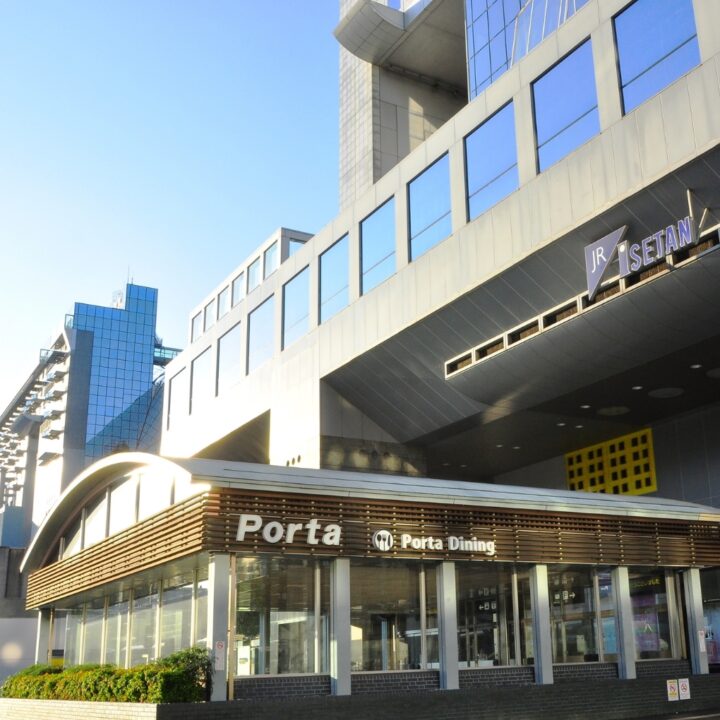
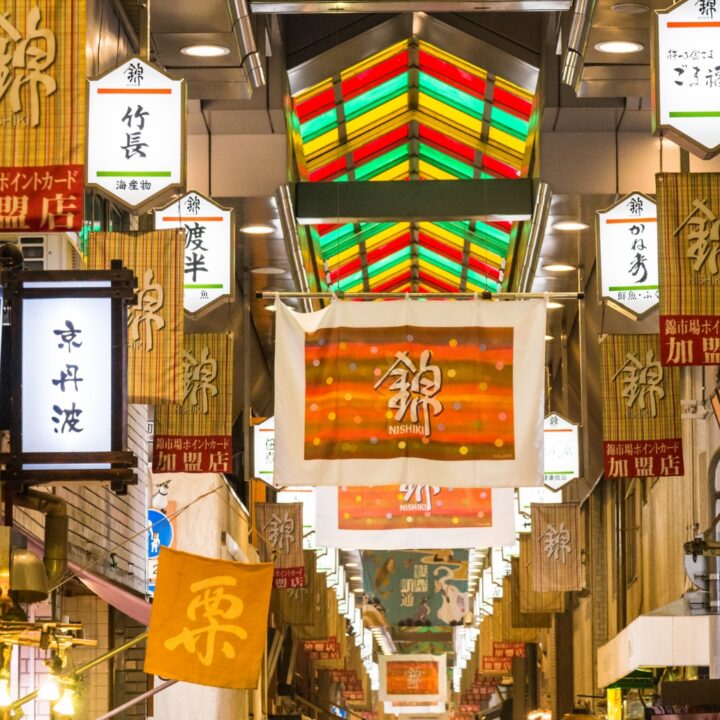
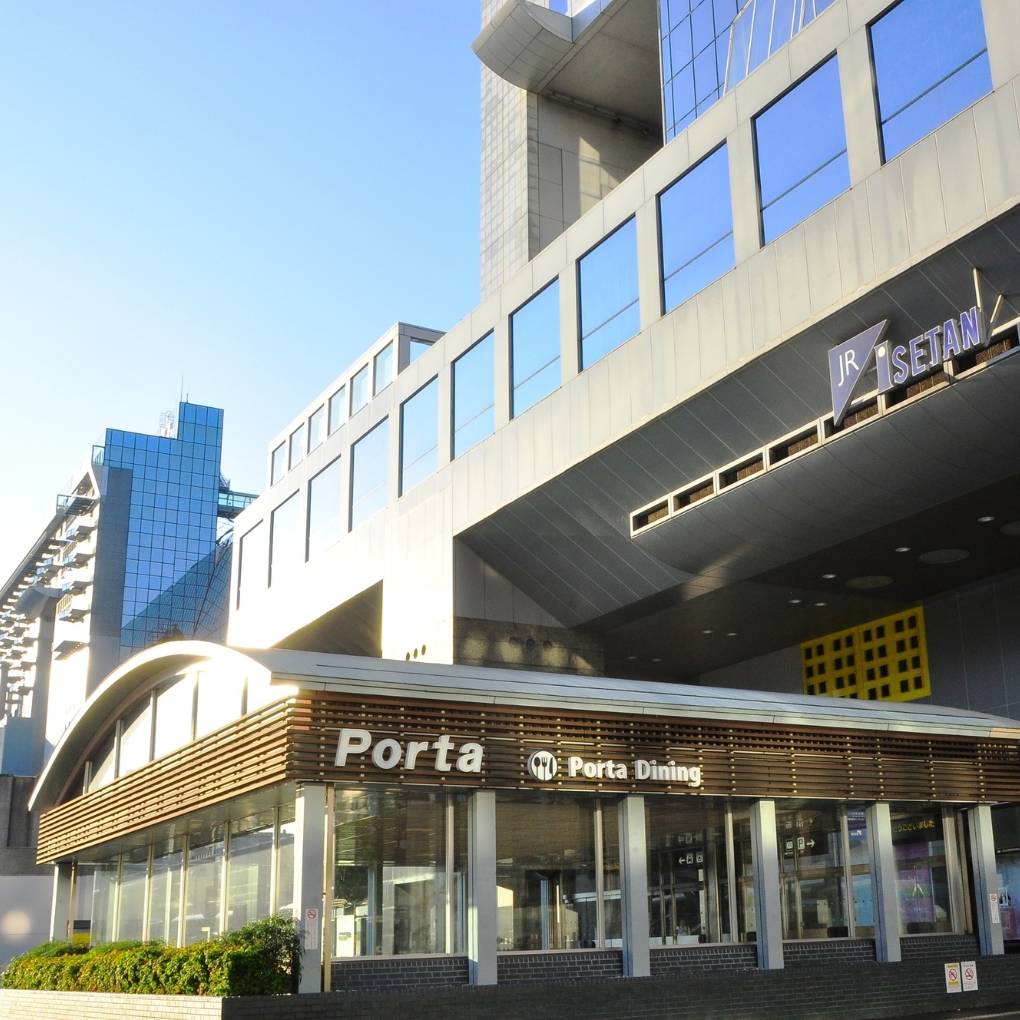
If you’re shopping on your last day, the underground mall under Kyoto Station is convenient. See our Kyoto Porta guide. For a market with Kyoto pickles and other local food all on one street, try Nishiki Market.
FAQ
Can I still get tax-free at the till in Japan?
No. Since 1 November 2026 you pay the full price, tax included, and the tax is refunded after customs confirms you’re taking the goods out of Japan, within 90 days of purchase.
What is the minimum purchase for tax-free shopping in Japan?
¥5,000 or more before tax, at the same store on the same day. Under the new rules, general goods and consumables count towards the same total.
Can I get a tax refund on snacks I eat in Japan?
No. The Japan Tourism Agency says food, drink and cosmetics that are consumed in Japan aren’t eligible. If you’ve used some, tell the customs officer at the counter instead of using the terminal.
Can I take Kyoto pickles on the plane?
Narita Airport counts pickles as liquids. Its Airport’s international carry-on rules allow only containers of 100 ml or less in one 1-litre clear bag, so larger packs go in your checked bag. Check your destination country’s food import rules too.
How will I get the tax refund?
From the shop, after your export is confirmed at departure. The Japan Tourism Agency says refund methods vary by shop, so ask the shop how it pays the refund when you buy.
Checked 8 November 2026 against the Japan Tourism Agency’s tax-free pages for travellers (mlit.go.jp/kankocho/tax-free), the National Tax Agency’s guide to the November 2026 tax-free changes and its notes on consumption tax rates (nta.go.jp), JNTO (japan.travel), Kyoto Prefecture (pref.kyoto.jp), Japan’s Ministry of Agriculture, Forestry and Fisheries (maff.go.jp) and Narita Airport’s liquids guidance (narita-airport.jp). Rules can change, so check before you fly.